Hard Water 101: Understanding Hard Water in Greenfield WI
White spots on faucets, cloudy glassware, and stubborn bathroom deposits can be signs of hard water. Learn what causes these problems, what grains per gallon means, and how Greenfield WI homeowners can decide whether water softening is worthwhile.
What Is Hard Water?
Hard water contains dissolved minerals, mainly calcium and magnesium. These minerals enter water as it moves through natural materials and can remain present even after the water has been treated for drinking.
Although hardness is not generally considered a health concern, it can create frustrating household problems. Mineral deposits may collect around faucets, showerheads, and appliances. Soap may also lather less effectively, leaving residue on bathroom surfaces and making some cleaning tasks more difficult.
For homeowners in Greenfield, understanding water hardness can help explain why mineral spots keep returning even after regular cleaning. Instead of treating every deposit as a cleaning problem, it may be useful to determine whether the water itself is contributing to the buildup.
How Can You Recognize Hard Water at Home?
Hard water often leaves clues throughout the house. These signs can help you decide whether testing is worthwhile.
White Spots on Faucets and Fixtures
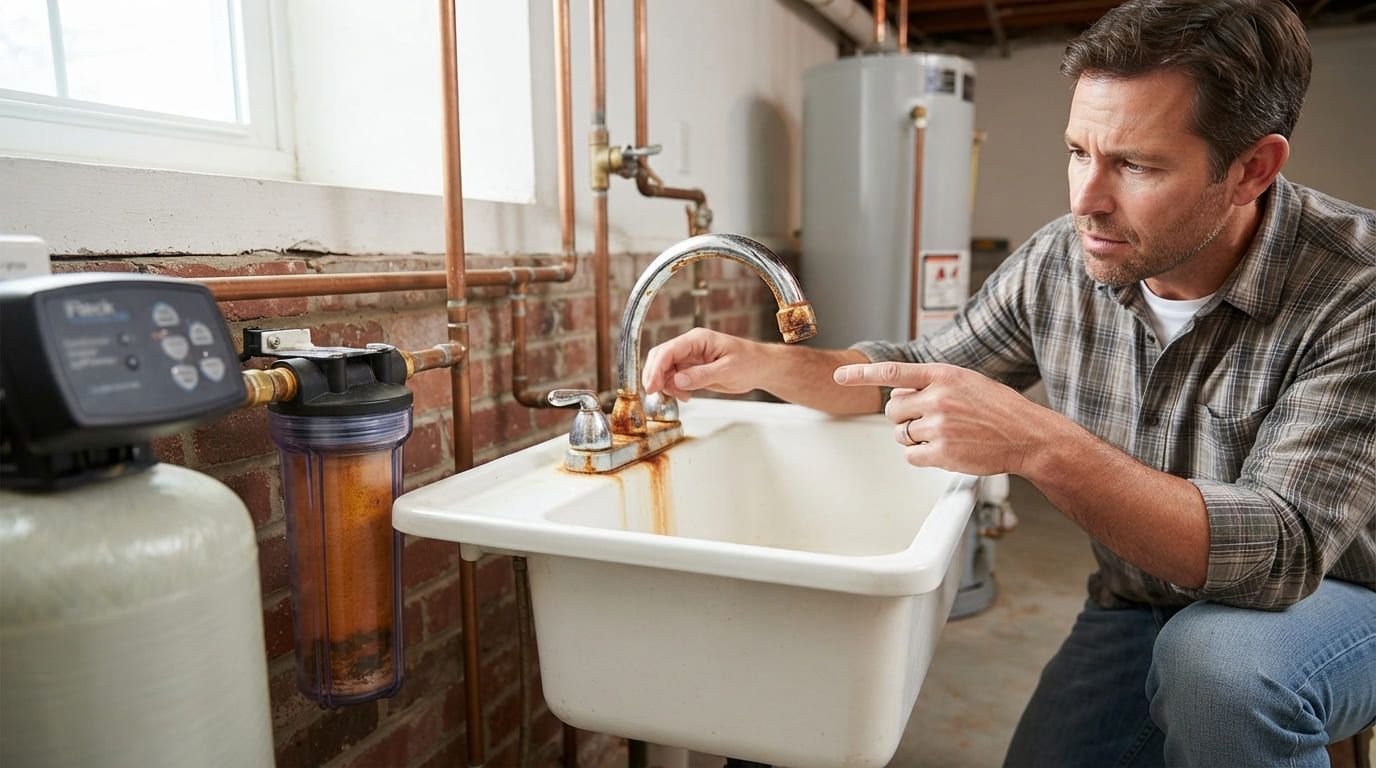
When hard water evaporates, calcium and magnesium can remain behind as visible deposits. You may notice white marks around kitchen faucets, showerheads, bathroom sinks, and other places where water frequently dries.
These deposits can become more difficult to remove when they accumulate over time. Reducing water hardness can help limit new mineral buildup, although existing deposits may still need appropriate cleaning.
Cloudy Glassware and Dishes
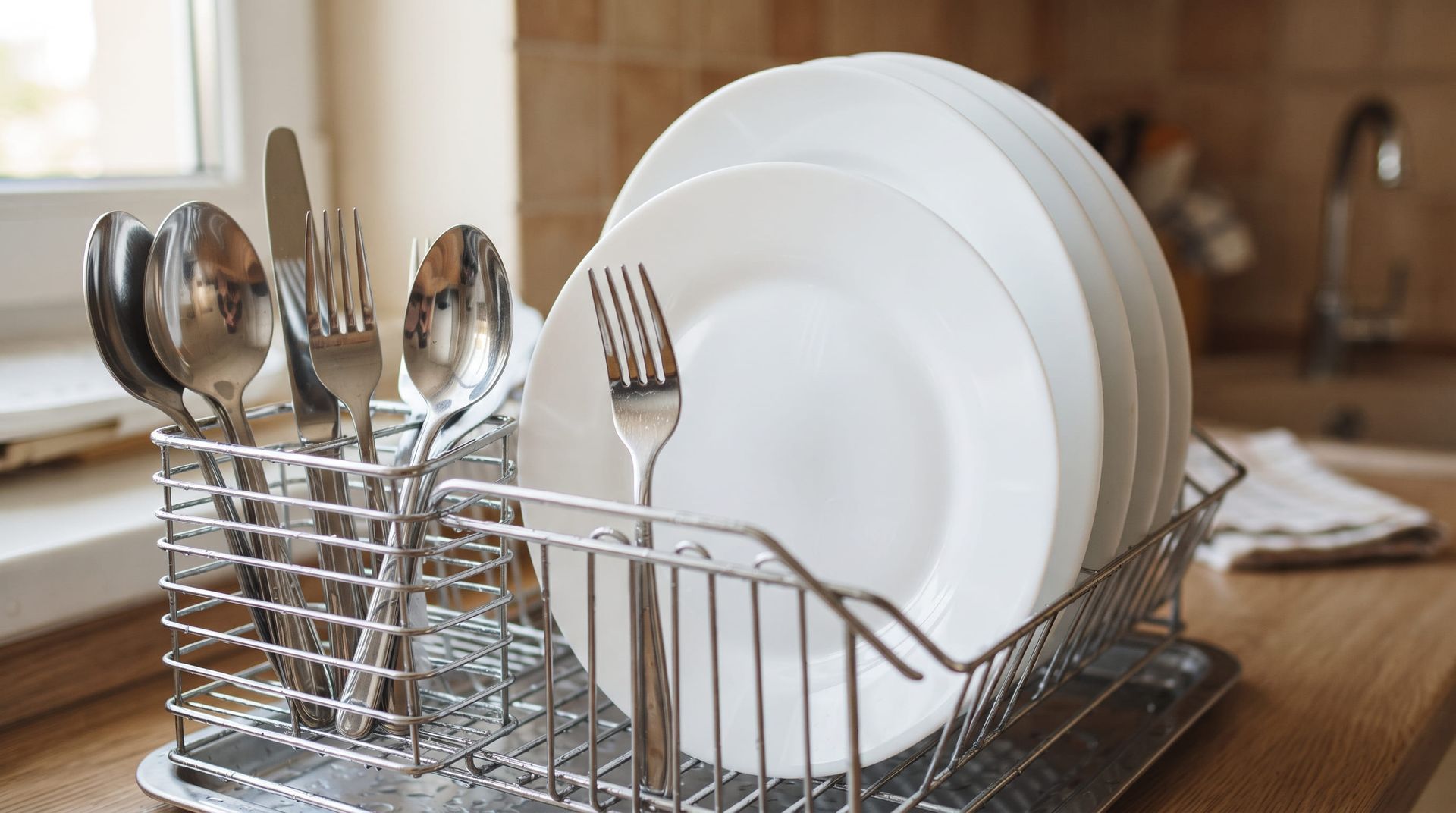
Glasses may develop cloudy marks or spots after washing, particularly when water droplets dry on the surface. Hardness minerals can contribute to this problem, but detergent residue and dishwasher settings may also play a role.
If spots continue to appear, reviewing your dishwasher settings and testing the water hardness can help identify the likely cause.
Soap That Does Not Lather Easily
Calcium and magnesium can interfere with soap performance. You may find yourself using more soap or shampoo to produce the lather you expect.
Hard water can also contribute to soap residue on shower walls, tubs, and other surfaces. A water softener reduces the minerals responsible for hardness, which may help soap and cleaning products work more effectively.
Scale Around Appliances
Mineral deposits can collect in water using appliances and on heating surfaces. Depending on the appliance and the water conditions, scale may contribute to maintenance needs and reduced efficiency.
Regular inspection and following appliance care instructions can help prevent buildup from becoming a larger problem.
What Does Grains Per Gallon Mean?
Water hardness is commonly measured in grains per gallon, abbreviated as GPG. This measurement describes the concentration of hardness minerals in water.
A higher GPG number means the water contains more calcium and magnesium. A lower number means the water is softer.
Here is a general guide to interpreting common hardness levels:
- Less than 1 GPG: Generally considered soft water.
- 1 to 3.5 GPG: Slightly hard water.
- 3.5 to 7 GPG: Moderately hard water.
- 7 to 10.5 GPG: Hard water.
- Above 10.5 GPG: Very hard water.
These ranges are general guidelines, and different organizations may use slightly different classifications.
Knowing your home's GPG level can help you decide whether a water softener is appropriate and how a system should be configured. A hardness test is more reliable than judging the water by spots or residue alone.
How Hard Is the Water in Greenfield WI?
Greenfield receives its municipal water from Milwaukee Water Works, which supplies treated Lake Michigan water. The City of Greenfield confirms this arrangement through its official water distribution information.
A current water hardness data source reports approximately 140 milligrams per liter as calcium carbonate for the Milwaukee Water Works supply serving Greenfield. That is equivalent to about 8.2 grains per gallon, placing it in the hard water range under common classifications.
This figure is a general reference rather than a guarantee for every household. Water conditions can vary depending on supply conditions, building plumbing, and the specific property. If you want to understand the water entering your home, a test at your own tap is the most useful next step.
Knowing the hardness level can help explain recurring mineral deposits and provide a starting point for choosing an appropriate water treatment solution.
How Can Hard Water Affect Everyday Cleaning?
Hard water can make several household tasks more demanding. Mineral spots may return after cleaning, soap residue can collect on bathroom surfaces, and glassware may need extra attention to look clear.
Laundry can also be affected. Hardness minerals can interact with detergents and may contribute to residue on fabrics. The results depend on the water hardness, detergent, washing machine, and laundry habits.
A conventional water softener reduces calcium and magnesium through a process called ion exchange. This can help limit new mineral scale and improve the performance of some cleaning products.
However, softening does not eliminate every type of residue. Detergent buildup, oils, and other dissolved substances may still require appropriate cleaning or a different treatment method.
Is a Water Softener Worth Considering?
Whether a water softener makes sense depends on your water hardness, household preferences, plumbing conditions, and the problems you want to address.
If testing confirms hard water and you regularly experience mineral buildup, a properly selected softener may help reduce scale and make cleaning easier. It is important to consider the equipment's purchase cost, salt requirements, regeneration water, and routine maintenance before choosing a system.
A softener is not a complete water purification system. If you are concerned about iron, unusual odors, sediment, or other contaminants, those issues should be tested and addressed with suitable treatment rather than assuming a softener will remove everything.
The best decision starts with understanding your water instead of buying equipment based on symptoms alone.
Simple Ways to Manage Hard Water Problems
You can take practical steps while determining whether a water softener would benefit your home.
Wipe faucets and shower surfaces dry when possible to reduce the amount of mineral residue left behind. Follow the cleaning instructions for glassware, appliances, and plumbing fixtures. Avoid abrasive products that may damage finishes.
If mineral buildup continues to return, arrange a water hardness test. If you already have a softener, test the water after treatment as well to confirm that the system is reducing hardness effectively.
These steps can help distinguish between a cleaning issue and a water treatment problem, allowing you to choose a more effective solution.
Explore Water Softening Options in Greenfield WI
Hard water can affect faucets, glassware, laundry, and everyday cleaning, but the extent of the problem depends on the water entering your home. Understanding your hardness level helps you decide whether a water softener could reduce mineral deposits and make household maintenance easier.
Greenfield Water Softener helps homeowners in Greenfield, WI explore water softening options and understand common hard water concerns. Contact Greenfield Water Softener to discuss mineral buildup, water hardness testing, and treatment options suited to your household.